


- Net Billing
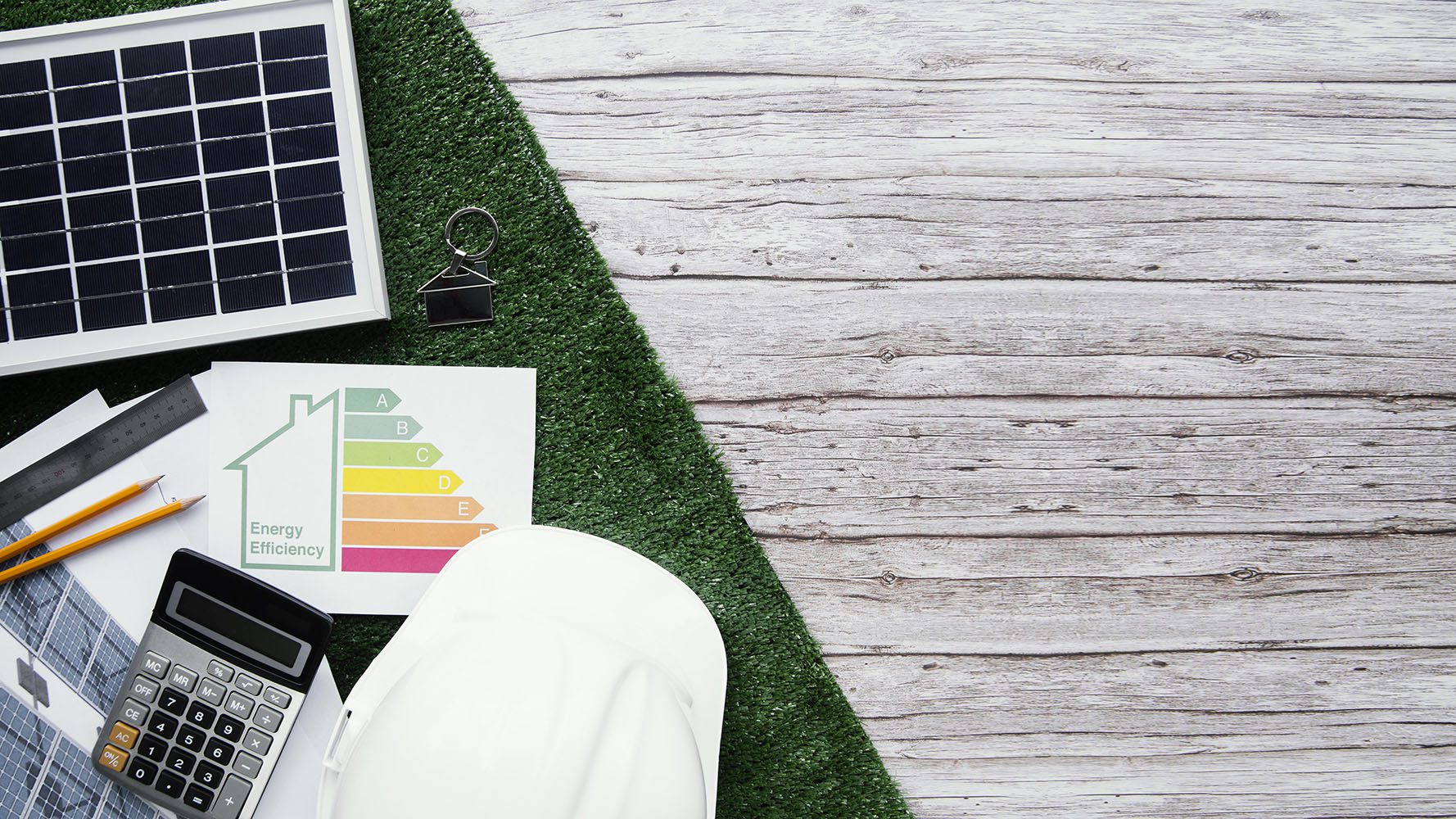
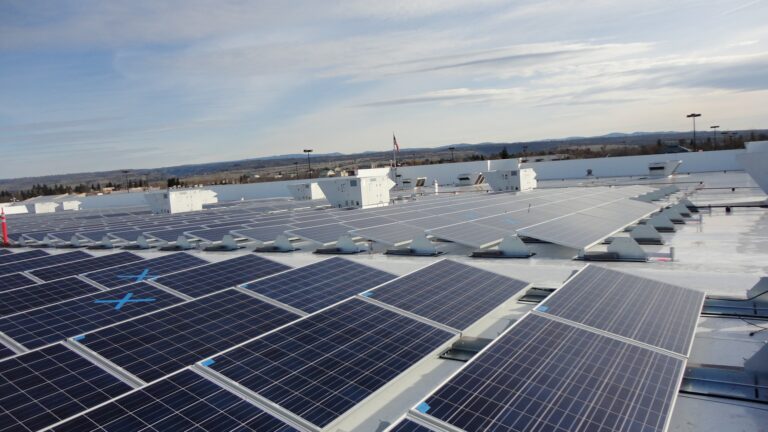

Net-Billing: This is an energy netting system, where the energy produced by photovoltaic plants that is not consumed directly is injected into the grid and compensated based on the wholesale market price at the time of injection. Netting is done in real time.
Virtual Net-Billing: It is the virtual version of Net-Billing, where the generating station and energy consumers are not in the same physical space. Ideal for collective self-consumption, such as in apartment buildings or businesses with many facilities.
Net-Billing photovoltaic batteries are energy storage systems that work with photovoltaic plants.
How they work:
They store the excess energy produced during the day by the photovoltaics. This energy can be used when production is low (e.g. at night) or during power outages. Combined with Net-Billing, excess energy that is not stored can be injected into the grid, generating additional profit.
Energy storage through batteries is the key to fully exploiting renewable energy sources.
- Energy Flexibility: Provides energy when it is most needed, regardless of weather conditions.
- Performance Optimization: Reduces the need for immediate consumption of the generated energy.
- Grid Stability: Contributes to the balancing of generation and demand in the grid.
- Autonomy: They enable energy independence, reducing dependence on the grid.
- Sustainability: Contribute to reducing carbon emissions.
- Economy: They help reduce energy costs and generate additional income through the sale of energy.
- Reliability: They provide energy even in cases of power outages.
To install RES stations with Net-Billing or Virtual Net-Billing, you must follow the procedure below:
For systems up to 10.8 kWp and output power up to 10 kW:
Submit an application on the DEDDIE online platform:
DEDDIE platform
For larger systems:
Submit an application through the specialized platform of DEDDIE:
Larger Systems Platform
Installation rights are granted to:
- Natural persons (commercial or not) and legal persons of public or private law.
- Owners or legal users of the premises (e.g. by lease or free concession) with the written consent of the owner.
- Members of Energy Communities, including vulnerable consumers and citizens below the poverty line.
- Co-owners of buildings, as long as there is a written agreement of all co-owners.
In addition, it is allowed to associate one or more generating stations with one or more consumption facilities, even if they are not located in the same area, provided that they belong to the same self-consumer.
Photovoltaic systems can be installed:
- On the roofs or roofs of buildings.
- On porches, balconies and pergolas (on a roof or uncovered plot area).
- On facades and shades, as defined by the legislation (articles 16 and 19 of Law 4067/2012).
- In auxiliary areas such as warehouses and parking areas.
- On the ground or in ground mounted solar tracking systems.
To activate the connection you need:
- Submission of a request by the interested party, stating the facility’s readiness and accompanying the request with the necessary supporting documents.
- Completion of tasks by DEDDIE, such as:
- Counter replacement.
- Construction of the connection project.
- Check installation for secure network connection.
The connection of the photovoltaic plant to the grid includes:
- Use of existing consumption provision (where technically possible).
- Installation of a telemetry system to record data in real time (production, injection and consumption).
- Metric data collected by DEDDIE for clearing energy.
- Compliance with technical restrictions:
- For single-phase supplies, a maximum power of 5 kWp.
- For more power, an increase in supply to three-phase is required.
- The connection is made to the general consumption table or above it
Interest form
Fill in your information and we will contact you immediately.